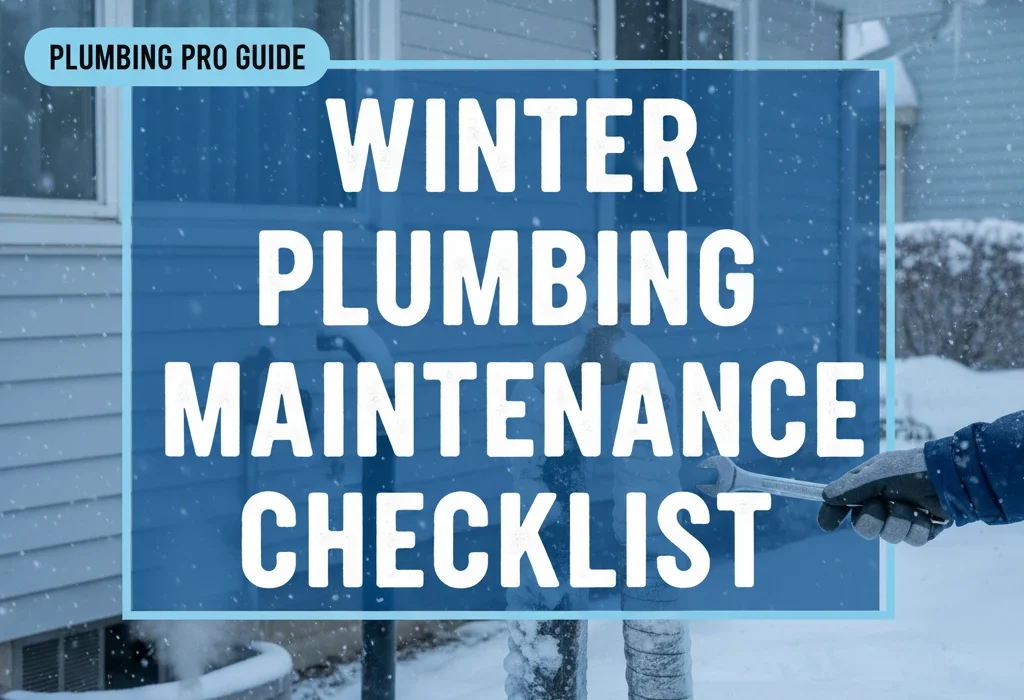
Winter plumbing maintenance protects your home from frozen pipes, unexpected leaks, and costly emergencies. Homeowners in colder U.S. regions deal with temperature drops that can strain water lines, fixtures, and outdoor plumbing. This winter plumbing maintenance checklist gives you practical, step-by-step tasks you can handle yourself, along with guidance on when to call a professional plumber.
These steps strengthen your home against common winter hazards and finalize your winter plumbing maintenance plan.
1. Insulate Exposed Pipes to Prevent Freezing
Exposed plumbing lines in basements, crawl spaces, attics, and garages are most vulnerable to freezing. Pipe insulation helps slow heat loss and reduces the risk of frozen pipes. Foam sleeves, fiberglass wrap, and heat tape for pipes all work well in cold weather. Checklist:- Cover all bare hot and cold water lines.
- Wrap elbows, joints, and valves.
- Add heat tape for pipes in areas below 32°F.
- Seal foundation cracks that allow cold air inside.
2. Winterize Outdoor Faucets and Exterior Plumbing
Outdoor faucet winterization is essential because exterior spigots freeze faster than indoor piping. Outdoor faucet winterization steps:- Disconnect all hoses.
- Drain water from spigots.
- Install insulated faucet covers.
- Shut off exterior shutoff valves if your home has them.
3. Prepare Indoor Plumbing and Fixtures
Indoor fixtures can freeze when temperatures fall too low, especially in older homes. Key tasks:- Open vanity and cabinet doors to improve airflow.
- Drip faucets during extreme cold to prevent pipes from freezing.
- Adjust the thermostat to maintain steady indoor heat.
- Inspect fixtures for leaks or drips before winter hits.
4. Protect Your Water Heater During Winter
Water heaters work harder in winter, leading to reduced efficiency and low water pressure in winter if sediment buildup occurs. Checklist:- Flush the tank to remove sediment.
- Insulate the tank and hot water lines.
- Set the thermostat to 120°F for efficiency.
- Check the pressure relief valve.
5. Drain Exterior Plumbing Systems
Homes with irrigation or pool systems must handle draining sprinkler system tasks before freezing temperatures. Steps to drain a sprinkler system:- Shut off the water supply to the irrigation lines.
- Use the manual or automatic drain valve to clear water.
- Blow out remaining water with compressed air if possible.
6. Know the Warning Signs of Frozen Pipes
Frozen pipes should be at the top of your winter plumbing maintenance checklist it threaten your home’s plumbing every winter. Recognizing early signs helps prevent extensive damage. Signs of frozen pipes:- Little or no water flow at faucets.
- Frost on the exterior of pipes.
- Unusual banging or creaking sounds.
- Damp walls without an obvious leak.
7. Learn How to Prevent Frozen Pipes and What to Do If They Freeze
Knowing how to prevent frozen pipes is essential, but you should also understand what to do if pipes freeze. How to unfreeze pipes safely:- Warm pipes slowly using a hairdryer.
- Place a space heater nearby (but avoid direct contact).
- Avoid open flames or torches.
- Turn on nearby faucets to relieve pressure.
8. Complete a Full Winter Home Plumbing Inspection
A winter plumbing maintenance checklist helps homeowners avoid last-minute problems. Adding an annual plumbing inspection checklist to your routine keeps your system in top shape year-round. What to inspect:| Area | What to Check | Why It Matters |
| Pipes | Insulation, leaks, cold spots | Prevents freezing & bursts |
| Water Heater | Sediment, pressure valve | Ensures hot water supply |
| Outdoor Plumbing | Spigots, hoses, valves | Avoids exterior freeze damage |
| Fixtures | Drips, slow drains | Stops winter water waste |
| Crawl Spaces | Drafts, exposed pipes | Protects vulnerable lines |
9. When to Call a Professional Plumber
DIY steps work well for minor maintenance, but professional help is necessary when:- Multiple fixtures freeze at once
- Pipes are inaccessible or inside walls
- Water pressure drops suddenly
- A pipe bursts inside the home