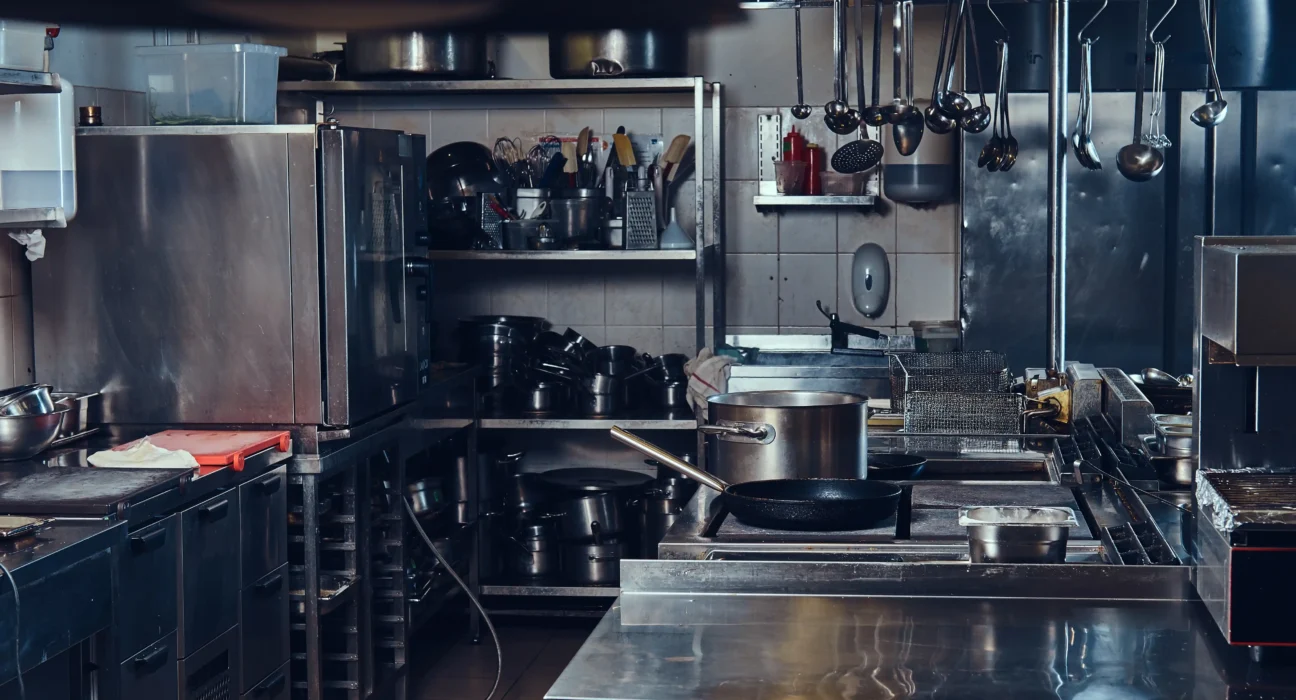
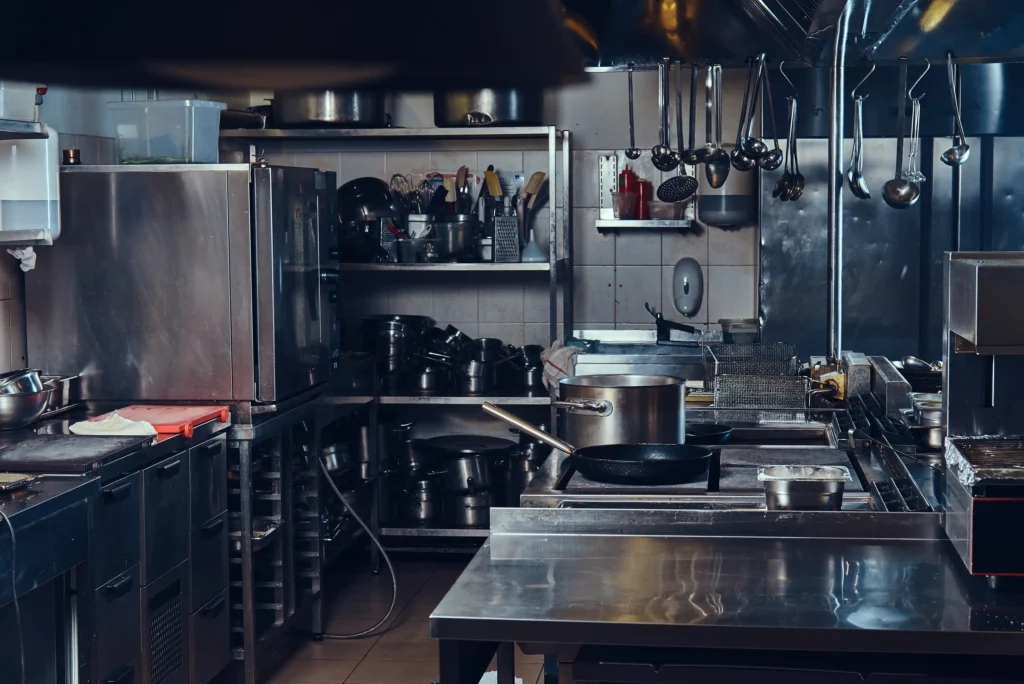
Restaurant plumbing maintenance is a great way to keep your kitchen running and avoid shutdowns. Restaurants use a lot of water, create greasy waste, and put constant demands on their equipment all day long, making the plumbing system more prone to failure and could lead to your business being shut down in the middle of the day. This restaurant plumbing maintenance guide will save you the cost of emergency plumbing repair and days of loss of service.
Understanding the kitchen system
The best way to keep restaurant kitchen plumbing working is for owners to understand how water and waste flow through their building. Common drain lines connect sinks, dishwashers, floor drains, grease interceptors, prep sinks, ice machines, and restrooms in commercial kitchens.
Important restaurant plumbing parts
| Component | Purpose | Risk if neglected |
| Grease traps | Capture fats, oils, grease (FOG) | Grease trap overflow |
| Floor drains | Handle spills and washdown | Sewer backups |
| Commercial sinks | Food prep and cleaning | Clogged kitchen drains |
| Water heaters | Hot water for sanitation | Health code violations |
| Drain lines | Carry wastewater | Costly pipe failures |
How to Develop a Restaurant Kitchen Plumbing Maintenance Checklist
A commercial kitchen needs 5 to 10 minutes of daily restaurant plumbing maintenance to keep it running smoothly. Assign this checklist to a member of your staff to avoid plumbing disasters.
Daily routine
- Inspect all drains for slow draining or standing water
- Inspect the grease trap for any apparent overflow or smells
- Flush all drains with hot water and run it
- Clean drain screens and remove debris
Weekly inspections should include water pressure at all fixtures, leaks in exposed pipes, and testing of your dishwasher drainage system. Flush your commercial drains on a quarterly basis. Keep a maintenance log for health inspectors to review.
Grease Trap
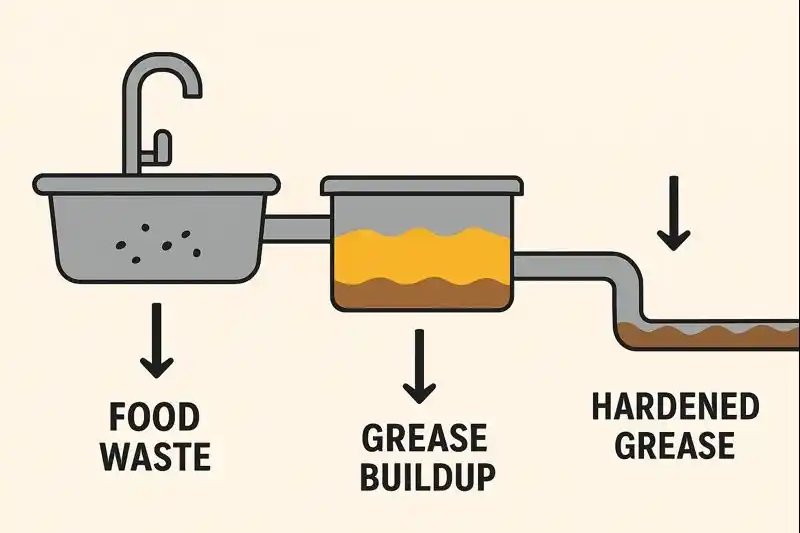
Of all the facets of restaurant plumbing maintenance, grease trap maintenance is the most important. One grease trap overflow can shut your kitchen down for days and cost you tens of thousands in lost revenue, clean up and repairs.
How to Tell You Have a Grease Trap Problem:
- Slow draining sinks in your kitchen
- Bad sewage smells from the floor drains
- Water sitting in the drain holes
- You can see the grease in the sink water.
Grease trap maintenance steps:
- Weekly measurement of grease and solids
- Pump @ 25% capacity 5.
- Scrape plates before washing.
- Never pour fryer oil down the drain
Routine grease trap maintenance is a critical step in preventing sewer overflows and environmental contamination, according to the U.S. Environmental Protection Agency FOG guidelines.
DIY Grease Trap Care:
Restaurant plumbing maintenance starts with grease trap maintenance. Every day commercial kitchen drains collect a lot of grease, and it’s important to find ways to prolong the life of grease traps. Tell your staff to scrape every bit of food waste into the trash before they wash dishes. Once a night after close, run hot water down all drains connected to your grease trap. Cover all drain openings with mesh screens to catch debris employees miss. Follow these simple steps to keep your business from expensive plumbing repairs and keep the kitchen running smoothly all day long.
How to Stop Clogged Kitchen Drains
Commercial drain cleaning is another restaurant plumbing maintenance step. Most emergency plumbing calls are for clogged kitchen drains. If you have a commercial kitchen regular drain cleaning just doesn’t work. There are a few more steps to take to keep your restaurant drains in order.
Signs of Blocked Drains
- Draining slowly sinks.
- Stench from drains
- Water backing up
- Low water pressure
- Gurgling noises
Professional monthly drain cleaning removes buildup to prevent problems before they start. Hydro-jetting services blast away grease, food particles and mineral deposits standard snaking can not reach. This preventive plumbing maintenance costs $200-400 per month, but saves thousands of dollars in emergency repairs.
Commercial Kitchen Water Heater Maintenance
The restaurant kitchen plumbing service should include quarterly water heater checks to avoid the possibility of catastrophic failures in service. Sediment accumulation reduces efficiency and shortens equipment life. Professional flushing every 6 months removes mineral deposits that build up from constant use. The temperature setting is important for safety and efficiency. Set your water heater at 140°F. This will properly sanitize dishes and prevent scalding injuries. Mixing valves at handwashing stations can help reduce burn risks.
Emergency plumbing planning and
Restaurant plumbing maintenance is about being prepared for emergencies before they happen. Every restaurant needs a plumber on call and a backup plumber in case your regular plumber isn’t available when you need him. Locate the main water shutoff valve and teach your staff how to turn it off so that your kitchen doesn’t get flooded in case of a burst pipe.
Emergency plumbing scheme:
- Label the water shutoff valves
- Train managers on response steps
- Make spill kits available
- Keep a service agreement
Restaurants with emergency plans recover faster and avoid disputes with their insurance.
Safeguarding Your Restaurant Investment
One of the most important operational investments that you can make is restaurant plumbing maintenance. A smoothly running kitchen and constant emergencies are separated by consistent preventative care and quick responses to warning signs.
Start by using the daily and weekly checklists provided in this guide. Arrange routine professional cleanings of your commercial drains and grease traps. Build relationships with quality restaurant plumbing services ahead of emergencies.
Your plumbing system is the backbone of your restaurant business. Guard it with the same care you give to your menu, staff training and customer service. The dollars you spend on maintenance return to you many times over in the form of disasters avoided, reputation maintained, and service uninterrupted.
Looking for more plumbing advice? Visit Plumbing Pro Guide’s to explore our complete collection of maintenance tips, repair and fix guides.
FAQ
How often should restaurants schedule plumbing maintenance?
Restaurant plumbing maintenance should be done quarterly, grease trap inspections weekly and commercial drain cleaning every 3-6 months, depending on volume.
What are the health department violations with problems in restaurant plumbing?
Common violations include grease traps that are overflowing or not cleaned properly, cross contamination due to backflow problems, not enough handwashing sinks, clogged kitchen drains leading to unsanitary conditions, and improper water heater temperatures. Serious plumbing violations can cause health departments to shut down restaurants immediately. Regular restaurant plumbing maintenance will keep you compliant and avoid costly shutdowns when inspections roll around.
How do I know when I need commercial drain cleaning?
When you have slow draining sinks, recurring clogs, or odors, you need professional commercial drain cleaning.