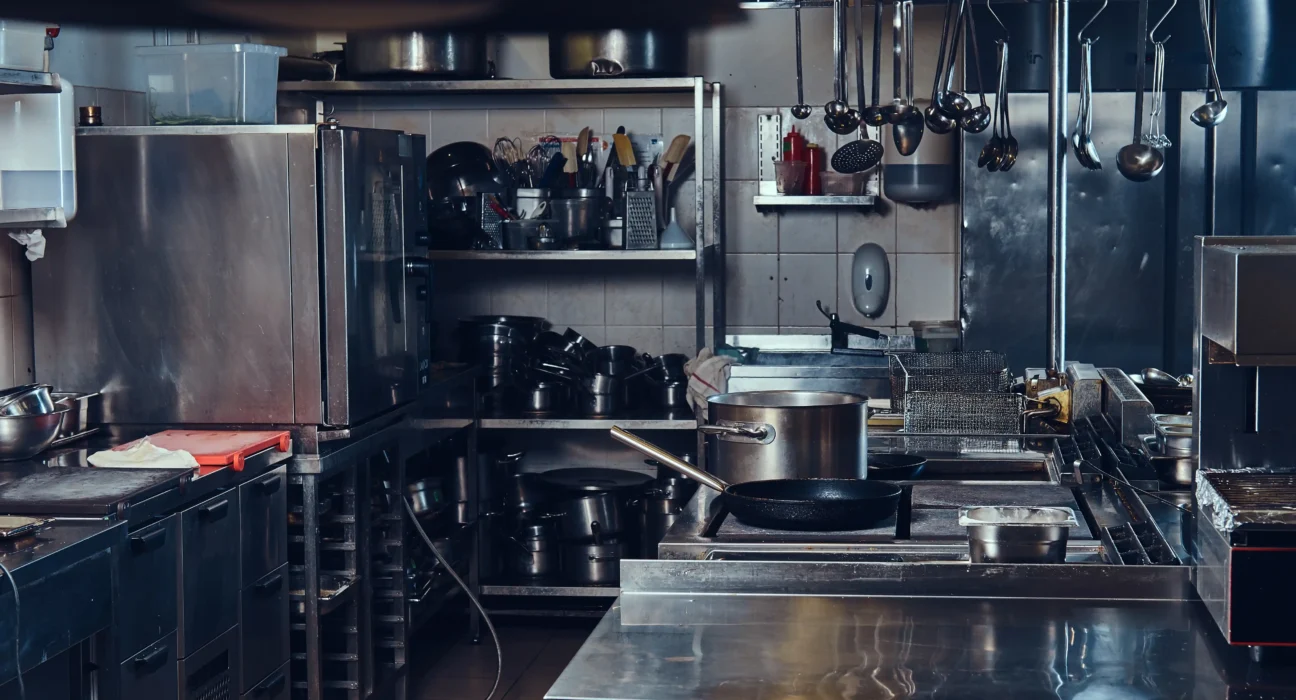
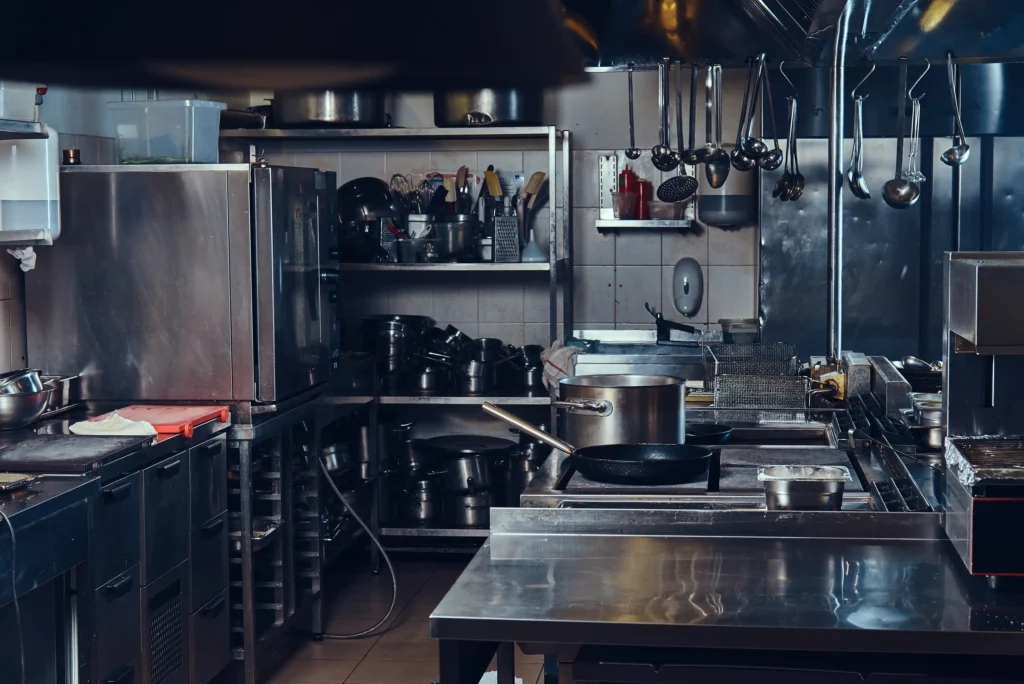
Restaurant plumbing maintenance protects your kitchen from shutdowns
The restaurant deals with higher water usage, greasy waste, and nonstop equipment demands throughout the day, which makes the plumbing system more vulnerable to failure and could result in the shutdown of your business in the middle of the day. With this restaurant plumbing maintenance guide, you will save yourself from emergency plumbing repair costs and loss of service days.
Understanding the kitchen system
Restaurant kitchen plumbing maintenance works best when owners understand how water and waste move through their building. Commercial kitchens include sinks, dishwashers, floor drains, grease interceptors, prep sinks, ice machines, and restrooms, all of them connected to shared drain lines.
Key plumbing components in restaurants
| Component | Purpose | Risk if neglected |
| Grease traps | Capture fats, oils, grease (FOG) | Grease trap overflow |
| Floor drains | Handle spills and washdown | Sewer backups |
| Commercial sinks | Food prep and cleaning | Clogged kitchen drains |
| Water heaters | Hot water for sanitation | Health code violations |
| Drain lines | Carry wastewater | Costly pipe failures |
Creating Your Restaurant Kitchen Plumbing Maintenance Checklist
To run a commercial kitchen smoothly, restaurant plumbing maintenance requires 5 to 10 minutes daily. Assign this checklist to a staff member to prevent plumbing disasters.
Daily Tasks
- Check all drains for slow drainage or standing water
- Inspect the grease trap for visible overflow or odors
- Run hot water through all drains after closing
- Clean drain screens and remove debris
Weekly inspections should include checking water pressure at all fixtures, examining exposed pipes for leaks, and testing your dishwasher drainage system. Schedule commercial drain cleaning quarterly. Document everything in a maintenance log that health inspectors can review.
Grease Trap Maintenance
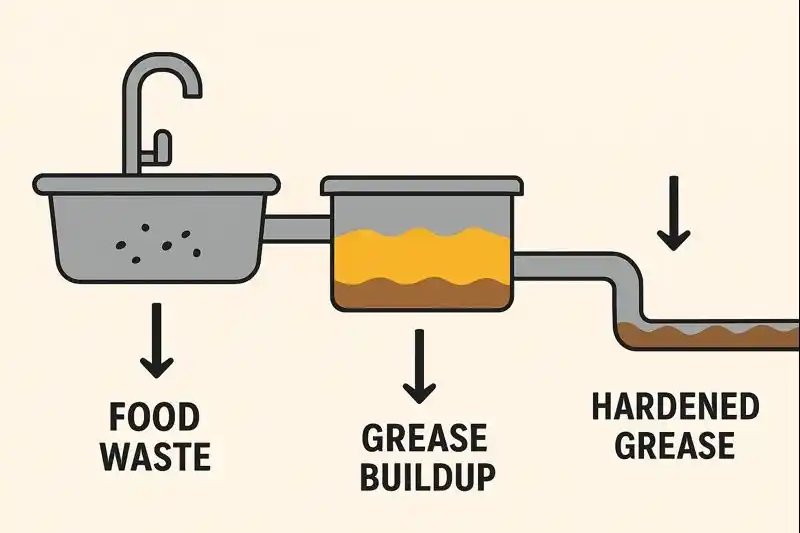
Grease trap maintenance stands as the most critical component of restaurant plumbing maintenance. A single grease trap overflow can shut down your kitchen for days and cost you tens of thousands in lost revenue, cleanup, and repairs.
Critical Warning Signs of Grease Trap Problems:
- Slow draining sinks in your kitchen area
- Foul sewage odors coming from the floor drains
- Water pooling around the drain entrances
- Grease is visible in the sink water
Grease trap maintenance steps:
- Measure grease and solids weekly
- Pump when capacity reaches 25%
- Scrape plates before washing
- Never pour fryer oil down drains
The U.S. Environmental Protection Agency FOG guidelines emphasize routine grease trap maintenance as a key step in preventing sewer overflows and environmental contamination.
DIY Grease Trap Care
In restaurant plumbing maintenance, grease trap care takes first place. Commercial kitchen drains collect so much grease daily, so it is important to find ways to extend grease trap life. Train your staff to scrape all food waste into trash bins before washing dishes. After closing each night, pour hot water down all drains connected to your grease trap. Install mesh screens over all drain openings to catch debris that employees miss. Just by following these simple steps, you will help your business avoid costly plumbing repairs and run the kitchen smoothly all day.
Preventing Clogged Kitchen Drains
Another step in restaurant plumbing maintenance is commercial drain cleaning. Emergency plumbing calls are mostly the result of clogged kitchen drains. Regular drain cleaning is not effective for commercial kitchens. You need to go a few steps further to keep your restaurant drains in check.
Signs Of Clogged Drains
- Slow draining sinks
- Foul odors from drains
- Water backing up
- Reduced water pressure
- Gurgling sounds
Monthly professional drain cleaning removes buildup before it becomes problematic. Hydro-jetting services blast away grease, food particles, and mineral deposits that standard snaking cannot reach. This preventative plumbing maintenance costs $200-400 monthly but saves thousands in emergency repairs.
Water Heater Maintenance for Commercial Kitchens
Restaurant kitchen plumbing maintenance must include quarterly water heater inspections to prevent catastrophic failures during service. Sediment buildup reduces efficiency and shortens equipment lifespan. Professional flushing every six months removes mineral deposits that accumulate from constant use. Temperature settings matter for both safety and efficiency. Your water heater should maintain 140°F to sanitize dishes properly while preventing scalding injuries. Install mixing valves at handwashing stations to reduce burn risks.
Emergency plumbing planning
Restaurant plumbing maintenance includes preparing for emergencies before they happen. Every restaurant should have a plumber on call and also a backup plumber in case your regular plumber is not available when needed. Know the location of the main water shutoff valve and train your staff on how to operate it so that in case of a burst pipe, your kitchen will not get flooded.
Emergency plumbing plan:
- Label water shutoff valves
- Train managers on response steps
- Keep spill kits accessible
- Maintain a service agreement
Restaurants with emergency plans reopen faster and avoid insurance disputes.
Protecting Your Restaurant Investment
Restaurant plumbing maintenance represents one of your most important operational investments. The difference between a smoothly running kitchen and constant emergencies comes down to consistent preventative care and quick response to warning signs.
Start by implementing the daily and weekly checklists outlined in this guide. Schedule professional commercial drain cleaning and grease trap maintenance on a fixed calendar. Build relationships with quality restaurant plumbing services before emergencies strike.
Your plumbing system supports every aspect of your restaurant operation. Protect it with the same attention you give to your menu, staff training, and customer service. The money you invest in maintenance returns many times over in avoided disasters, a maintained reputation, and uninterrupted service.
Looking for more plumbing guidance? Visit Plumbing Pro Guide’s to explore our complete collection of maintenance tips, repair and fix guides.
FAQ
How often should restaurant plumbing maintenance be scheduled?
Restaurant plumbing maintenance should be performed quarterly, with grease trap inspections weekly and commercial drain cleaning every 3–6 months, depending on volume.
What plumbing issues cause health department violations in restaurants?
Common violations include overflowing or improperly maintained grease traps, cross-contamination from backflow issues, inadequate handwashing facilities, clogged kitchen drains causing unsanitary conditions, and improper water heater temperatures. Health departments can immediately close restaurants for serious plumbing violations. Regular restaurant plumbing maintenance keeps you compliant and prevents costly shutdowns during inspections.
How do I know if I need commercial drain cleaning?
Slow draining sinks, recurring clogs, and odors indicate the need for professional commercial drain cleaning.