
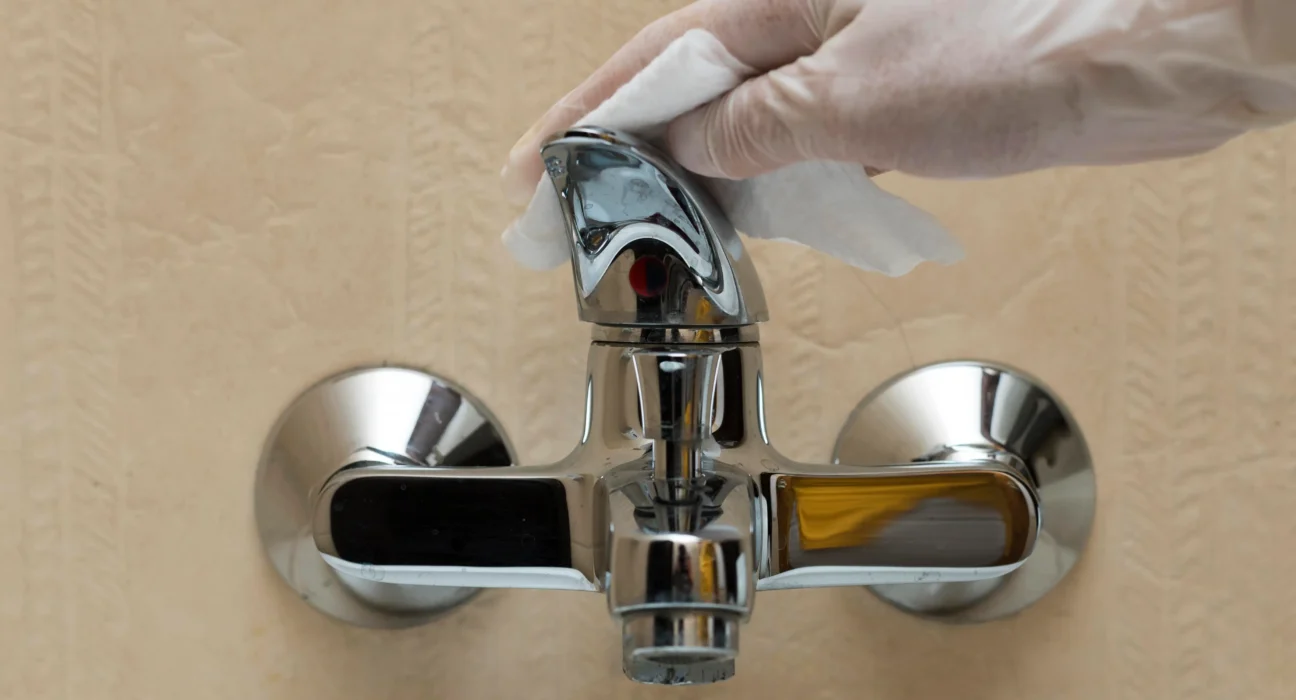
A leaky shower faucet requires replacing worn washers, O-rings, or the cartridge. Most homeowners can fix this in 30-45 minutes with basic tools. This blog provides information about the entire repair process, covering all types of shower faucets and real costs involved.
Table of Contents
- Why Fix a Leaky Shower Faucet?
- Common Causes of Leaks
- Tools and Materials Needed
- Compression Faucet Repair
- Cartridge Faucet Repair
- Troubleshooting Common Issues
- Frequently Asked Questions
- When to Call a Professional
Why Fix a Leaky Shower Faucet?
A dripping shower faucet might seem minor, but the consequences are significant:
- Water Waste: A single dripping faucet wastes up to 3,000 gallons of water annually—enough to fill a swimming pool.
- Increased Water Bills: This unnecessary water waste adds $35-50 per year to your utility bills.
- Structural Damage: Persistent dripping can damage tile, grout, and underlying wood, requiring costly repairs.
- Mold Growth: Excess moisture creates ideal conditions for mold, which poses health risks and damages property.
- Environmental Impact: Water conservation matters, especially in drought-prone regions across the United States.
Cost Comparison: DIY vs Professional
Common Causes of Leaky Shower Faucets
1. Worn Washers
The most common culprit in older faucets. Washers are rubber seals that compress over time with repeated use. In compression-style faucets, worn washers are responsible for approximately 80% of leaks.
2. Damaged O-Rings
O-rings are small rubber seals around faucet components. When they wear out or crack, water begins to leak. This is common in single-handle cartridge faucets.
3. Mineral Buildup
In hard-water areas, mineral deposits accumulate on faucet components, preventing proper sealing. This is especially problematic in states with naturally hard water like Texas, Arizona, and Florida.
4. Corroded Valve Seat
The valve seat is where the washer seals against the faucet body. Corrosion creates an uneven surface, preventing proper sealing even with new washers installed.
5. Faulty Cartridge
In cartridge or ceramic disk faucets, the cartridge itself may be defective. Cartridge failure is more common in older units or those exposed to extremely hard water.
Tools and Materials You Will Need
Essential Tools
- Adjustable wrench or pliers (2 pairs recommended)
- Screwdriver set (Phillips and flathead)
- Hex key/Allen wrench set (for some handles)
- Flashlight or headlamp (for visibility)
- Towel or bucket (to catch water)
- Utility knife (for scraping)
- Penetrating oil (like WD-40)
Replacement Parts
- Replacement washers (assorted sizes)
- O-ring replacement kit
- Cartridge (specific to your faucet model)
- Valve seat (if corroded)
- Plumber’s grease (silicone-based)
- Thread seal tape (Teflon tape)
- Cleaning brush
Always turn off the water supply to your shower before beginning repairs. The main water shut-off valve is typically located near your water heater or at the point where water enters your home. If you’re unsure how to locate it, contact your local water department.
How to Repair a Compression Faucet (Two-Handle Style)
This is the most common type in older homes. If you have separate hot and cold handles, follow these steps:
Turn Off the Water Supply
Locate the shut-off valve under your sink or the main water shut-off for your home. Turn clockwise until it stops. Test by turning on the shower—no water should flow. This is critical for your safety.
Remove the Handle
Look for a small set screw (often hidden under a decorative cap). Use an appropriate wrench or hex key to remove it. Gently pull the handle straight out. If it’s stuck, apply penetrating oil and wait 15 minutes before attempting again.
Unscrew the Trim Ring
Use an adjustable wrench to carefully unscrew the trim ring (the decorative collar) at the base of the faucet stem. Turn counterclockwise slowly. Be gentle to avoid damaging the chrome finish.
Remove the Faucet Stem
Once the trim ring is removed, the stem should pull straight out. If resistant, apply more penetrating oil or tap gently with a rubber mallet. You may need pliers for better grip and leverage.
Identify and Replace Worn Parts
Once the stem is out, you will see the washer at the bottom—this is almost certainly your culprit. Remove the washer screw and replace with an identical new washer (cost: $1-3). Also check and replace the O-ring around the stem from your replacement kit.
Check the Valve Seat
Look inside the faucet body where the stem was removed. Feel with your finger if the valve seat is rough or corroded, you’ll need to replace it. Use a valve seat wrench (inexpensive, $5-10) to unscrew and replace. If you don’t have one, scrape away corrosion with a utility knife.
Reassemble Your Faucet
Reverse the process: Insert the stem with the new washer and O-ring, screw the trim ring back on, reinstall the handle, and secure the set screw. Apply plumber’s grease to the stem before reinsertion to ensure smooth operation.
Test Your Repair
Turn the water supply back on gradually. Check for leaks at all connection points. Run the shower and listen carefully—if the drip is gone, you’ve successfully fixed it! If it still leaks, the valve seat may require replacement.
How to Repair a Cartridge or Single-Handle Faucet
For modern single-handle shower faucets, the process is more straightforward:
Turn Off Water Supply
Same as the compression faucet—locate and turn off the shut-off valve. Verify no water flows.
Remove the Handle and Trim
Look for a set screw or Allen wrench hex hole (usually behind the handle or under a decorative cap). Remove this to separate the handle from the faucet body. Then unscrew the trim ring counterclockwise.
Extract the Cartridge
Once the trim ring is off, you’ll see the cartridge—a cylinder-shaped component. This often requires a special cartridge puller tool (inexpensive at $8-15 from any home center). Insert the puller, align properly, and pull straight out with steady pressure.
Replace the Cartridge
The easiest solution is replacing the entire cartridge. Take your old one to the hardware store to find an exact match (cartridges are brand-specific: Moen, Delta, Kohler, etc.). Apply plumber’s grease to the new cartridge before installation.
Reassemble and Test
Reverse the removal steps. Once reassembled, turn the water back on gradually and test. The leak should be completely eliminated.
Troubleshooting Common Issues
This suggests mineral buildup rather than permanently worn parts. Soak the stem components in white vinegar for 2-4 hours, then scrub with a soft brush. This often resolves temporary leaks caused by sediment.
This indicates a different issue—likely a loose connection, cracked pipe, or worn supply line. You may need professional inspection, as it could require pipe replacement rather than just faucet repair.
Apply plumber’s grease liberally to the stem. If still difficult, the handle shaft itself might be bent. Try turning it multiple times to work the grease in, or consider replacing the stem if it’s damaged.
The valve seat is likely corroded and needs replacement. Using a valve seat wrench (under $10), unscrew and replace it. Valve seat corrosion is the second most common cause of leaks in compression faucets.
Take your old cartridge or faucet handle to the hardware store and match it exactly. Most cartridges are brand-specific (Moen, Delta, Kohler, etc.), and size matters. Staff can help identify the right one.
Frequently Asked Questions
Most quality shower faucets last 8-10 years in moderate use before leaks develop. High-quality fixtures can last 15-20 years. Regular maintenance (cleaning mineral buildup) extends their lifespan significantly.
Yes! Products like flow restrictors or aerators can reduce water waste while you plan repairs. However, these are stopgap measures, not permanent solutions. Fix the underlying issue to save the most water.
A single drip per second wastes 3,000+ gallons annually. That’s equivalent to taking 180 showers. Over five years, that’s 15,000 gallons wasted from one faucet alone.
If your faucet is under 10 years old, repair it (parts cost $5-50). If older than 15 years, consider replacement, especially if repairs keep recurring. New faucets offer better water efficiency (1.5-2 GPM vs older 5 GPM models).
No! Fixing a leaky shower faucet is basic homeowner maintenance and is perfectly legal. If uncomfortable with the repair, professional help is always available.
When to Call a Professional Plumber
Consider Professional Help If:
- You cannot locate or turn off the water shut-off valve
- The faucet is stuck or parts won’t budge despite penetrating oil
- You’ve replaced parts but the leak persists
- Water is leaking from under the sink or from walls/ceilings
- Your faucet is an unusual brand or style you can’t identify
- You’re uncomfortable working with tools or plumbing components
- Your home has soldered copper pipes
Expected cost for professional repair: $150-300 (includes service call, labor, and basic parts)